Introduction
The global activewear market continues to expand as consumers demand performance, comfort, and sustainability in one product. As we move toward 2026, brands that understand fabric innovation, style evolution, and sourcing strategy will lead the competition.
In this report, we break down:
-
2026 activewear fabric trends
-
Emerging style directions
-
Sustainable material innovations
-
Buyer sourcing insights
-
OEM production considerations
Whether you're launching a new athleisure brand or expanding your activewear line, this guide provides actionable insight.
1. Global Activewear Market Outlook 2026
The activewear sector remains one of the fastest-growing categories in apparel. Growth is driven by:
-
Continued athleisure adoption
-
Health-conscious lifestyles
-
Remote work and hybrid living
-
Increased demand for multi-functional garments
Consumers now expect activewear to transition seamlessly between gym, work, and daily life. This shift directly influences fabric selection and design structure.
Key takeaway: Performance alone is no longer enough—comfort, sustainability, and aesthetic versatility are equally critical.
2. Top Activewear Fabric Trends in 2026
Fabric innovation is the backbone of product competitiveness. Below are the dominant activewear fabric trends 2026 will emphasize. Check out our functional fabrics collection to see high-performance materials suitable for yoga, training, and athleisure wear.
2.1 Sustainable & Recycled Performance Fabrics
Sustainability is now a purchasing driver, not just a marketing angle.
Popular materials include:
-
Recycled polyester (RPET)
-
Recycled nylon
-
Bio-based elastane blends
-
Organic cotton performance blends
Brands increasingly request certifications such as GRS or OEKO-TEX to strengthen supply chain transparency.
2.2 Seamless & Compression Technology
Seamless construction continues gaining momentum due to:
Seamless activewear production also reduces fabric waste in certain manufacturing setups.
High-compression leggings, sculpting sports bras, and contour-mapped tops are key product categories in 2026.
2.3 Moisture-Wicking & Breathable Innovation
Advanced moisture management remains a fundamental requirement.
Buyers prioritize fabrics that offer:
-
Quick-dry performance
-
Anti-odor treatment
-
UV protection
-
Four-way stretch
Lightweight technical knits with improved breathability are especially popular in yoga wear and training apparel.
3. 2026 Activewear Style Trends
Fabric drives performance, but design drives conversion.
3.1 High-Waist Sculpting Leggings
Shaping support and body contouring remain strong selling points. Compression panels and ergonomic stitching improve fit and function. Browse our yoga wear collection for inspiration on versatile, stylish designs.
3.2 Minimalist Branding & Clean Aesthetics
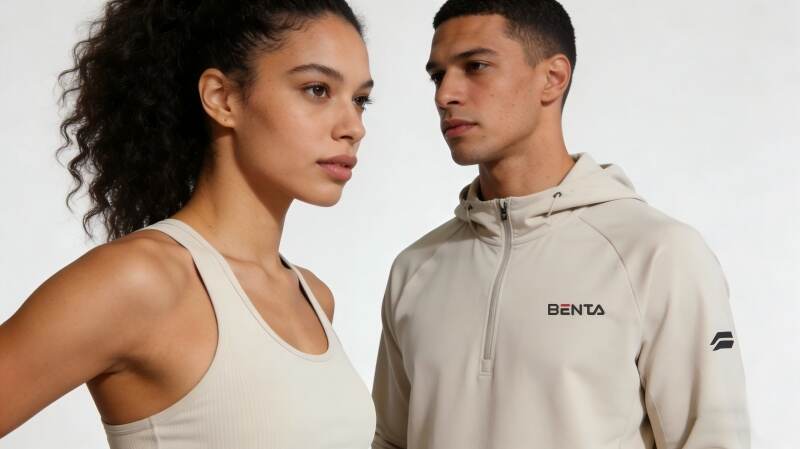
Consumers favor subtle logos and premium simplicity. Neutral color palettes and tonal branding dominate.
3.3 Gender-Neutral Activewear
Unisex silhouettes and relaxed fits are increasingly incorporated into modern collections.
3.4 Functional Multi-Use Design
Hidden pockets, adjustable straps, and modular layering pieces enhance product versatility.
Activewear must now perform across gym sessions, travel, and everyday wear.
4. Buyer Insights: What Apparel Brands Should Focus On
Understanding sourcing trends is essential for 2026 planning.
4.1 Flexible MOQ Requirements
Emerging brands require lower minimum order quantities to test markets efficiently.
Manufacturers offering scalable production gain a competitive edge.
Many growing brands now prioritize suppliers who provide flexible MOQs and development support. Choosing the right OEM activewear manufacturer can significantly reduce inventory risk while improving speed-to-market.
4.2 Faster Sampling & Development Cycles
Speed-to-market is critical. Brands prefer suppliers capable of:
-
Rapid sample turnaround
-
Fabric sourcing support
In-house pattern development
4.3 OEM & ODM Capability
Partnering with a professional Activewear & Yoga Wear Manufacturer that provides comprehensive OEM & ODM Services reduces development risks and improves consistency.
From fabric sourcing to bulk production, integrated solutions shorten product launch timelines.
5. How to Choose the Right Activewear Manufacturer in 2026
Selecting the right supplier directly impacts product quality and brand reputation.
Key evaluation factors:
-
Technical fabric expertise
-
Seamless knitting capacity
-
Quality control standards
-
Lead time reliability
-
Custom branding options
Manufacturers who understand both performance textiles and global fashion trends can support long-term brand growth.
6. Action Plan for 2026 Activewear Development
To stay competitive:
-
Prioritize sustainable fabric sourcing
-
Integrate seamless or compression technologies
-
Focus on minimalist, versatile designs
-
Partner with an experienced OEM manufacturer
-
Maintain flexible production planning
Final Thoughts
Activewear in 2026 will be defined by sustainability, innovation, and agile sourcing.
Brands that adapt to fabric advancements and buyer behavior shifts will secure stronger market positioning.
If you're planning your 2026 activewear collection and need fabric consultation or custom production support, feel free to contact our team here to discuss your project requirements.
Contact us today to discuss your next development project.
Related Articles
🔗Common Fabrics Used in Yoga Wear Manufacturing
🔗 Seamless Sportswear Manufacturing Explained
🔗 Private Label vs OEM Clothing: Which Manufacturing Model is Best for Your Brand?